

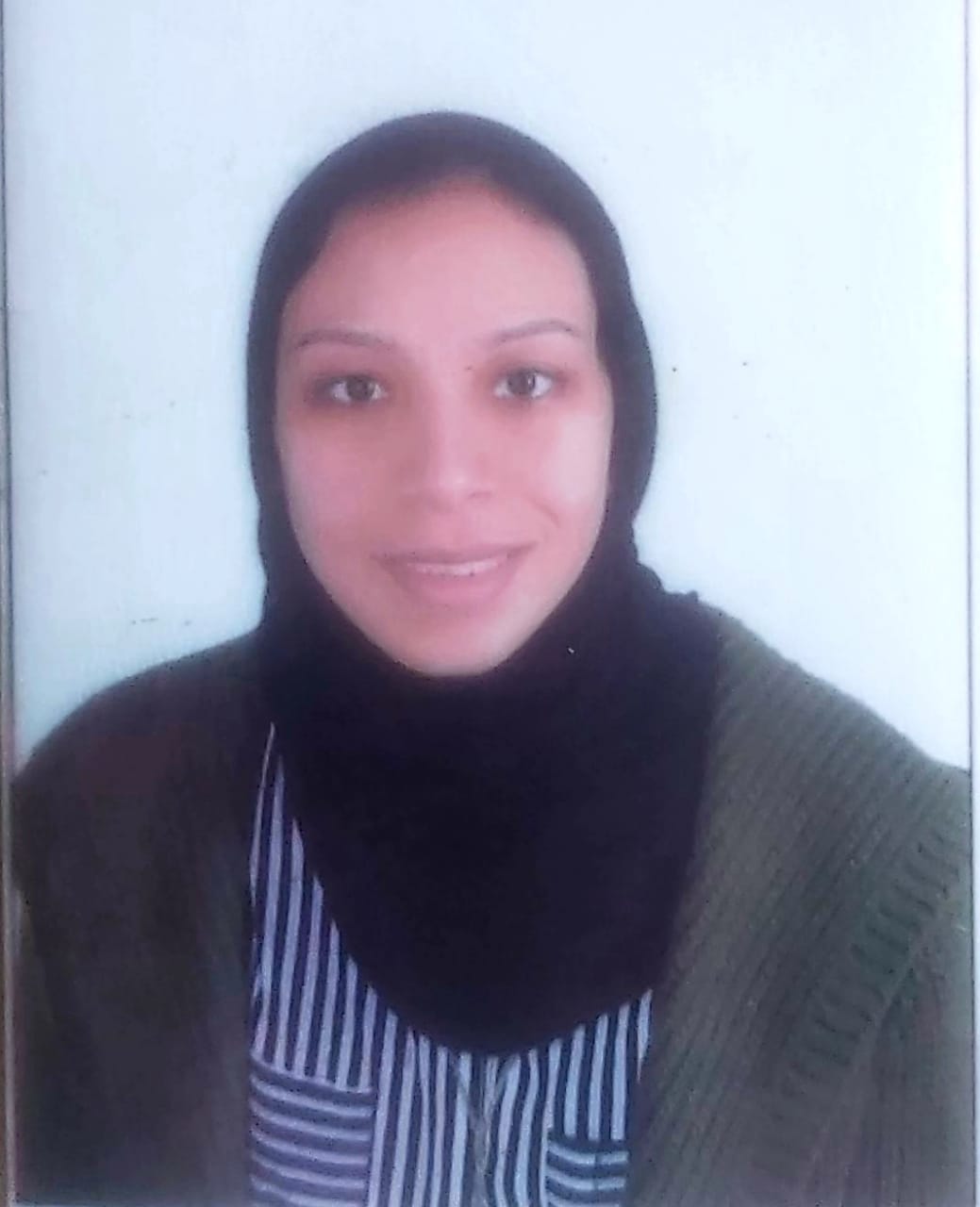
داليا حسن احمد حسن ابو عوف
مدرس مساعد
Evaluation of Fat Mass and Obesity Associated (FTO) Gene Polymorphism in Male Androgenetic Aloplecia Patients
• 2025
معلومات البحث
المؤلفون
Neveen Emad Sorour 1*, Aml Yousif Habashy 11, Naglaa Fathy Alhusseini 2, and Dalia Hasan Ahmed 1*
الكلمات المفتاحية
Not Available
المجلة العلمية
Not Available
الناشر
Not Available
المجلد
Not Available
العدد
Not Available
الصفحات
Not Available
publication.type
Local
رابط البحث
Not Available
المواد المرفقة
Not Available
الملخص
Background: Androgenetic alopecia (AGA), commonly referred to as male pattern baldness, is a prevalent condition affecting up to 50% of men by age 50. The pathogenesis of AGA involves a complex interplay of genetic and environmental factors, with a key role played by androgens such as dihydrotestosterone (DHT). Recent studies have suggested that the Fat Mass and Obesity Associated (FTO) gene, known for its role in adiposity and metabolic syndrome, may also be implicated in AGA. Understanding the potential link between FTO gene polymorphisms and AGA could provide new insights into the genetic and metabolic factors contributing to male pattern baldness. Objective: This narrative review aims to evaluate the current evidence on the association between FTO gene polymorphisms and androgenetic alopecia in male patients, exploring how FTO variants might influence hair follicle health through pathways involving androgen levels, insulin resistance, and adipose tissue distribution. Methods: A comprehensive literature review was conducted, analyzing studies that investigate the relationship between FTO gene polymorphisms, particularly the rs9939609 variant, and AGA. The review also examined the role of metabolic syndrome components, such as obesity and insulin resistance, in the pathogenesis of AGA, and how these factors might interact with FTO gene variants. Conclusion: The FTO gene polymorphisms, particularly the rs9939609 variant, may contribute to the development and severity of AGA by influencing metabolic processes and androgen levels. The findings highlight the need for further research to elucidate the exact mechanisms through which FTO variants affect hair follicle biology and to explore potential therapeutic targets for AGA.