

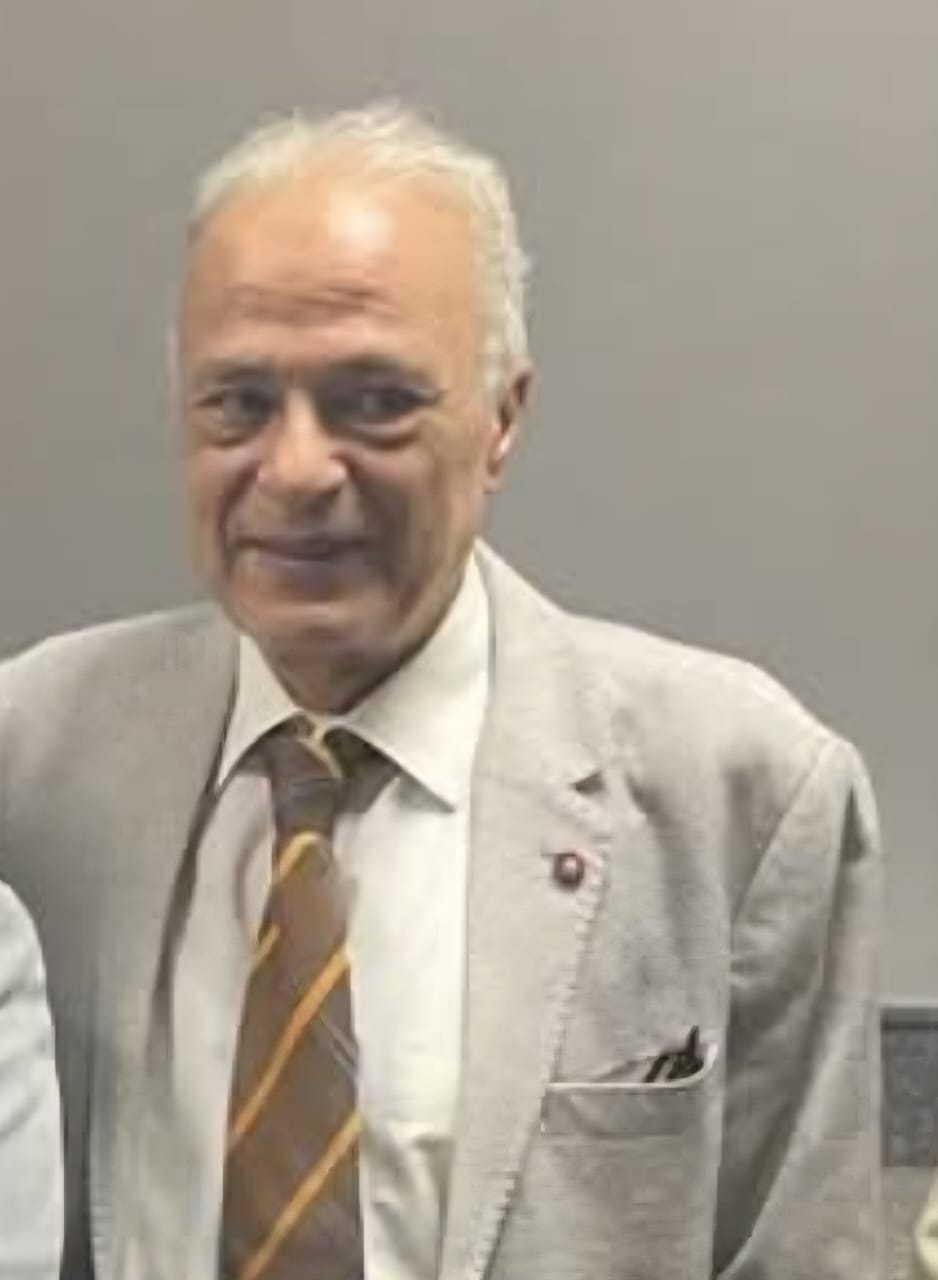
ابو بكر الشافعى عبد الرؤوف رأس
أستاذ متفرغ
RHINOMANOMETRIC ASSESSMENT OF NASAL AIRFLOW IN PATIENTS UNDE
• 1950
معلومات البحث
المؤلفون
Not Available
الكلمات المفتاحية
Not Available
المجلة العلمية
Not Available
الناشر
Not Available
المجلد
Not Available
العدد
Not Available
الصفحات
Not Available
publication.type
Local
رابط البحث
Not Available
المواد المرفقة
Not Available
الملخص
RHINOMANOMETRIC ASSESSMENT OF NASAL AIRFLOW IN PATIENTS UNDERGOING FESS
Hosam El-Din M. Abd El-Baky MD,
Ahmed S. A. Elkady MD, Husam Eldin M. Abdul Azeem MD
and Abou-Bakr E. Ras MD
Department ofOtorhinolaryngology. Benha Faculty of Medicine. Zagaziy University. Egypt
Abstract
Functional endoscopic sinus surgery (FESS) has become one of the most common surgical methods for irecumenl of chronic and recurrent si nusitis. To evaluate objectively the nasal airway patency of patients un¬dergoing FESS. 30 patients with rhinosinusitis and Nasal polyposis were selected from out-patient clinic of Benha university hospital in the period from July 2000 to February 2001. They were classified into two groups, the 1st group "22 patients" had rhinosinusitis alone and the 2nd group "8 patients" had Nasal polyposis. They were evaluated pre operatively and 3 months post operatively by Active Anterior Rhinomanometry. It was found that. 1st group showed subjective improvement in Nasal resistance to airflow after FESS but rhitwmanometric studies showed no significant differences between pre and postoperative measures, while, the 2nd group showed both subjective and objective improvement i.e. less nasal resistance to airflow after FESS. which can be measured significantly by active anterior rhinomanometry and the dijference between pre and post operative measures was clear.