

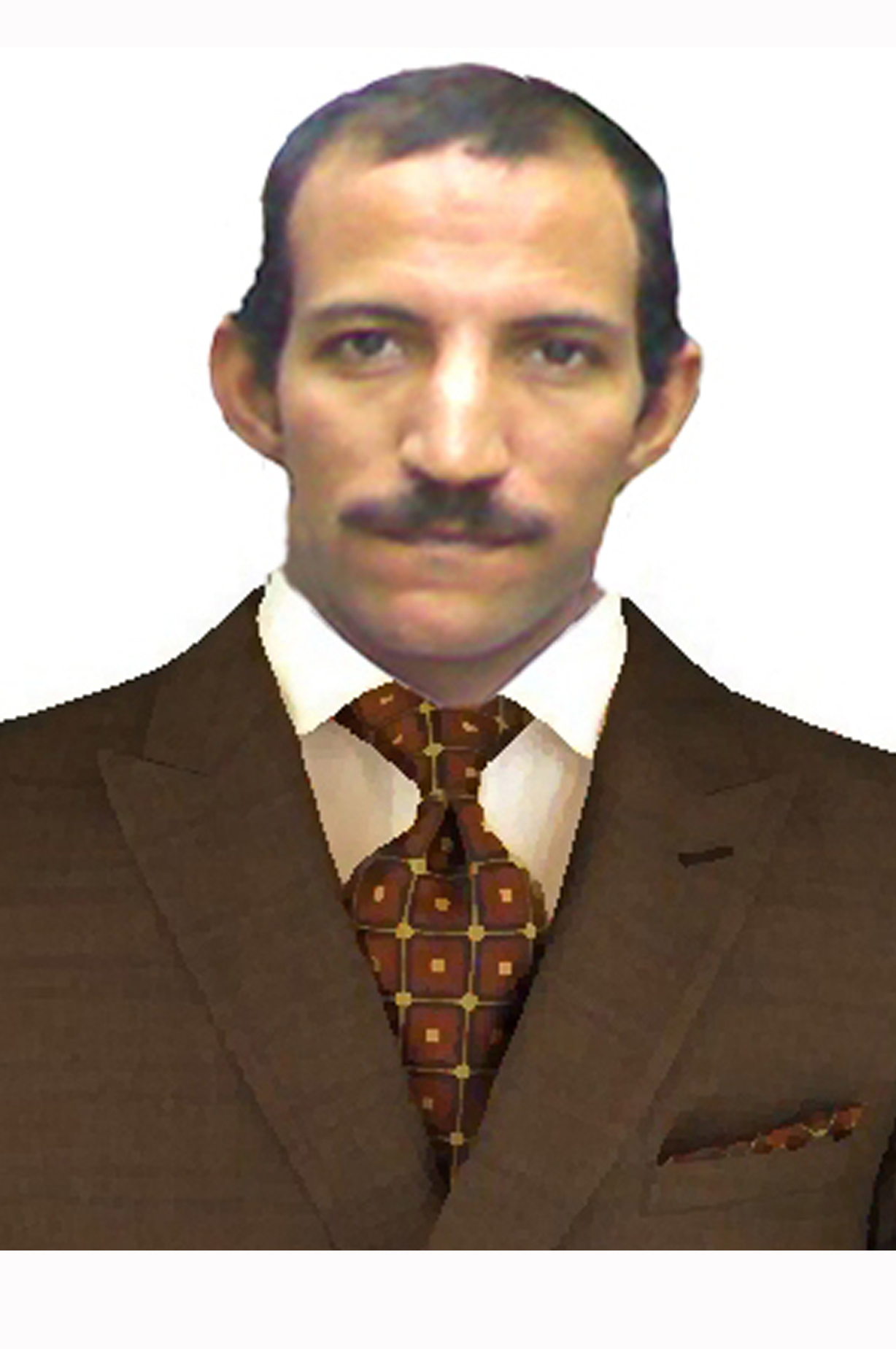
جمال عاشور أحمد محمد
أستاذ
Biochemical changes in treated cucumber plants with some elicitors against downy mildew disease in protected houses.pdf
International Journal of Scientific & Engineering Research • 2016
معلومات البحث
المؤلفون
G. A. Ahmed
الكلمات المفتاحية
Cucumber, downy mildew, died spores, peroxidase, polyphenoloxidase, phenylalanine ammonia lyase, chitinase and β-1,3-
glucanase.
المجلة العلمية
International Journal of Scientific & Engineering Research
الناشر
International Journal of Scientific & Engineering Research
المجلد
7
العدد
1
الصفحات
1026-1035
publication.type
International
رابط البحث
Not Available
المواد المرفقة
Not Available
الملخص
Abstract—This study aimed to evaluate the effect of some different biotic and abiotic inducers i.e., potassium silicate, humic acid,
propolis extract, and died spores (DS) of Pseudoperonospora cubensis in addition to amistar fungicide in controlling cucumber downy mildew
disease and induction the systemic acquired resistance of treated plants in protected houses. Spraying cucumber plants with all tested inducers
reduced disease severity of downy mildew and increased the fruit weight/plant. Amistar fungicide followed by potassium silicate and DSI were the
best effective treatments without significant differences between them in reducing disease severity and increasing fruit weight/plant respectively. All
treatments increased phenols and flavonoids, content in treated cucumber plants at 2, 5 and 8 days post inoculation with the downy mildew
pathogen. Also, spraying cucumber plants with the tested inducers increased the activities of peroxidase (PO), polyphenoloxidase (PPO),
phenylalanine ammonia lyase (PAL), chitinase and β-1,3- glucanase enzymes post inoculation the plants with downy mildew pathogen. In general,
the died spores of DS1 followed by DS3 and potassium silicate were the most effective treatments in increasing activities of PO, PPO and PAL
enzymes. Meanwhile, the died spores of DS3, DS1 and DS2 followed by potassium silicate were the superior in increasing the activities of
chitinase and β-1,3- glucanase enzymes in leaves of treated cucumber plants in protected houses.