

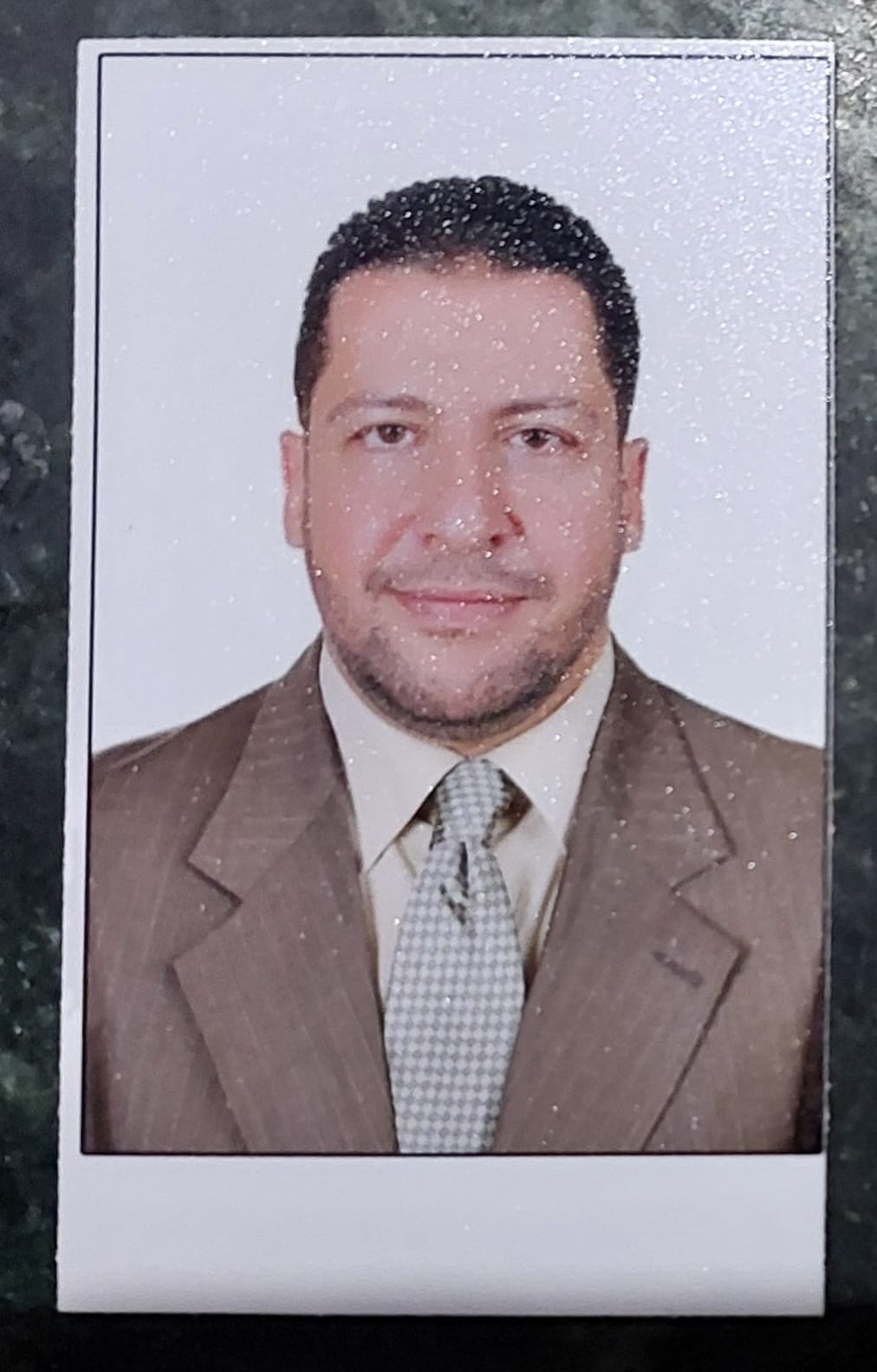
Ahmed Sobhy AbdAllah Mohamed Emara
Professor
Postoperative Arrhythmia after Total Arterial Coronary Artery Bypass Grafting
• 2025
Publication Information
Authors
Mostafa Ahmed Mostafa, Yossry Abdraboh Shaheen, Ibrahim Mohammed Kasab, Moataz
EL-Shahaat Rezk, Ahmed Sobhy Emara
Keywords
Not Available
Journal
Not Available
Publisher
Not Available
Volume
Not Available
Issue
Not Available
Pages
Not Available
publication.type
Local
Paper Link
Not Available
Supplementary Materials
Not Available
Abstract
Background: Atrial fibrillation (AF) is the most prevalent arrhythmia occurring
after cardiac surgery. The occurrence of postoperative AF (POAF) significantly
affects patient outcomes, leading to increased morbidity, mortality, and hospital
readmission rates. The incidence of POAF following total arterial coronary artery
bypass grafting remains a subject of ongoing debate. This study seeks to evaluate
the occurrence of early postoperative arrhythmias in patients undergoing total
arterial revascularization.
Methods: We studied a cohort of 50 patients who underwent total arterial
revascularization at the Cardiothoracic Surgery Department of Benha University
Hospitals between October 2023 and October 2024. Data were collected
preoperatively and postoperatively, encompassing demographic information,
laboratory results, and both intraoperative and postoperative parameters.
Results: The average age of the study population was 52.5 years, with a
predominance of male patients. The incidence of postoperative arrhythmias was
recorded as follows: 6% for self-contained AF, 6% for uncontrolled AF, 2% for
ventricular fibrillation, and 4% for premature ventricular contractions. The mean
duration of bypass was 154.9 minutes, and the average length of stay in the
intensive care unit (ICU) was 2.1 days. Postoperative complications included
wound infections in 28% of patients, and the mortality rate was 4%.
Conclusions: Early postoperative arrhythmias pose a significant concern following
total arterial revascularization. Identifying and managing risk factors associated
with these arrhythmias could enhance patient outcomes, decrease complications,
and ultimately contribute to improved survival and quality of life for individuals
undergoing cardiac surgery
after cardiac surgery. The occurrence of postoperative AF (POAF) significantly
affects patient outcomes, leading to increased morbidity, mortality, and hospital
readmission rates. The incidence of POAF following total arterial coronary artery
bypass grafting remains a subject of ongoing debate. This study seeks to evaluate
the occurrence of early postoperative arrhythmias in patients undergoing total
arterial revascularization.
Methods: We studied a cohort of 50 patients who underwent total arterial
revascularization at the Cardiothoracic Surgery Department of Benha University
Hospitals between October 2023 and October 2024. Data were collected
preoperatively and postoperatively, encompassing demographic information,
laboratory results, and both intraoperative and postoperative parameters.
Results: The average age of the study population was 52.5 years, with a
predominance of male patients. The incidence of postoperative arrhythmias was
recorded as follows: 6% for self-contained AF, 6% for uncontrolled AF, 2% for
ventricular fibrillation, and 4% for premature ventricular contractions. The mean
duration of bypass was 154.9 minutes, and the average length of stay in the
intensive care unit (ICU) was 2.1 days. Postoperative complications included
wound infections in 28% of patients, and the mortality rate was 4%.
Conclusions: Early postoperative arrhythmias pose a significant concern following
total arterial revascularization. Identifying and managing risk factors associated
with these arrhythmias could enhance patient outcomes, decrease complications,
and ultimately contribute to improved survival and quality of life for individuals
undergoing cardiac surgery