

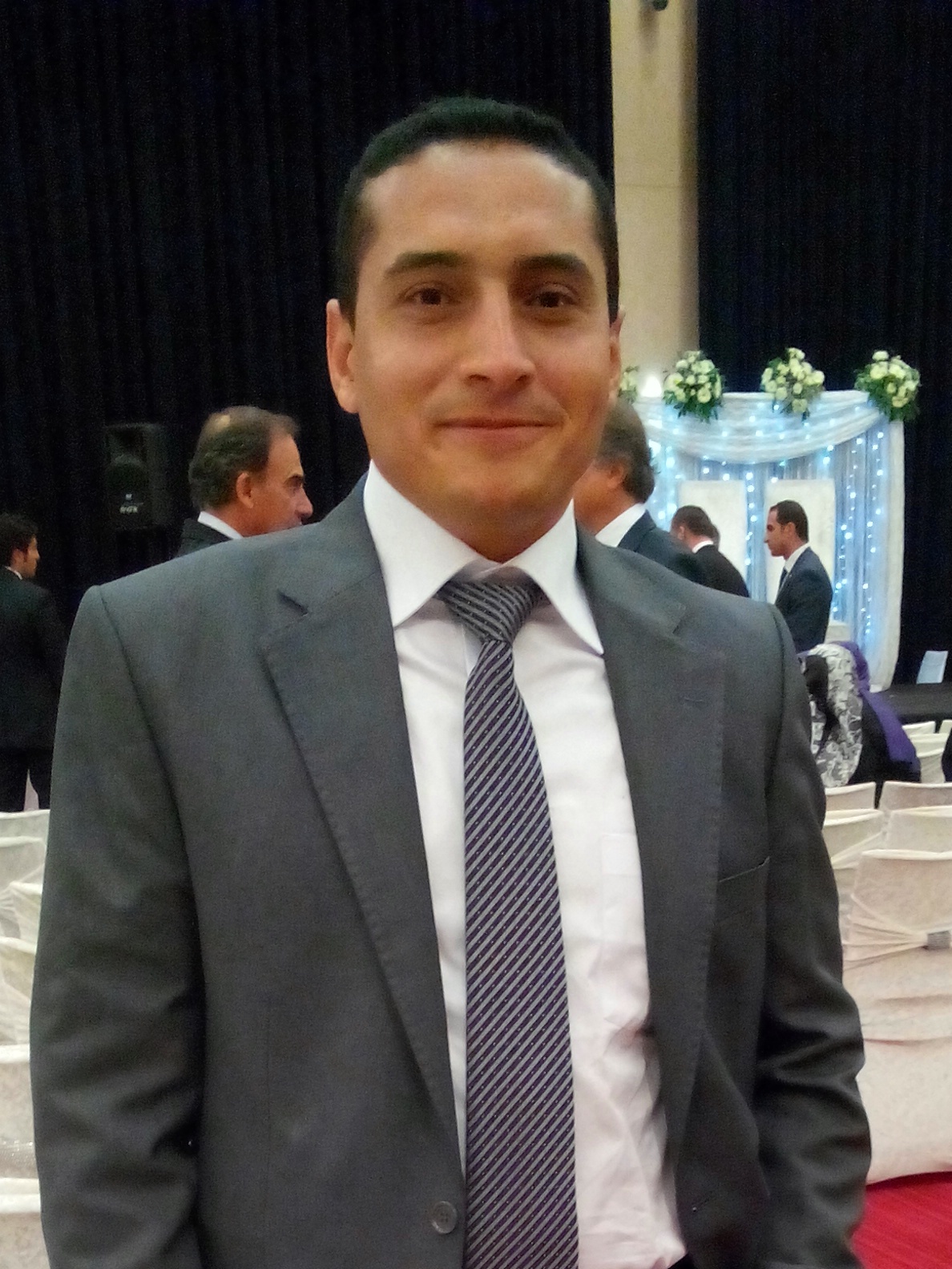
Amr Abdelnasser Ali Khalil
Asst. Professor
Remote Sensing-based Machine Learning Techniques for Mapping Gold-Mineralized Alteration Zones in the Fatira Mine Area, Egypt
Acta Geologica Sinica (English Edition) • 2025
Publication Information
Authors
Refaey El-Wardany; Jiangang Jiao; Basem Zoheir; Lobna Khedr; Mustafa Kumral; Lei Liu; Ibrahem Abu El-Leil; Ahmed Orabi; Lotfy Abd El-Salam; Amr Abdelnasser
Keywords
Au-sulfide mineralization; Egypt; Fatira gold mine; gold exploration; hydrothermal alteration; machine learning; mineralogy; remote sensing
Journal
Acta Geologica Sinica (English Edition)
Publisher
WILEY
Volume
99
Issue
4
Pages
1196 - 1223
publication.type
International
Paper Link
Open Link
Supplementary Materials
Not Available
Abstract
In the Fatira (Abu Zawal) mine area, located in the northern Eastern Desert of Egypt, fieldwork and mineralogical analysis, integrated with machine learning techniques applied to Landsat-8 OLI, ASTER, and Sentinel-2 multi-spectral imagery (MSI) data delineate gold-sulfide mineralization in altered rocks. Gold (Au) anomalies in hydrothermal breccias and quartz veins are associated with NE-oriented felsite dykes and silicified granitic rocks. Two main alteration types are identified: a pyrite-sericite-quartz and a sulfide-chlorite-carbonate assemblage, locally with dispersed free-milling Au specks. Dimensionality reduction techniques, including principal component analysis (PCA) and independent component analysis (ICA), enabled mapping of alteration types. Sentinel-2 PC125 composite images offered efficient lithological differentiation, while supervised classifications, i.e., the support vector machine (SVM) of Landsat-8 yielded an accuracy of 88.55% and a Kappa value of 0.86. ASTER mineral indices contributed to map hydrothermal alteration mineral phases, including sericite, muscovite, kaolinite, and iron oxides. Results indicate that post-magmatic epigenetic hydrothermal activity significantly contributed to the Au-sulfide mineralization in the Fatira area, distinguishing it from the more prevalent orogenic gold deposits in the region.