

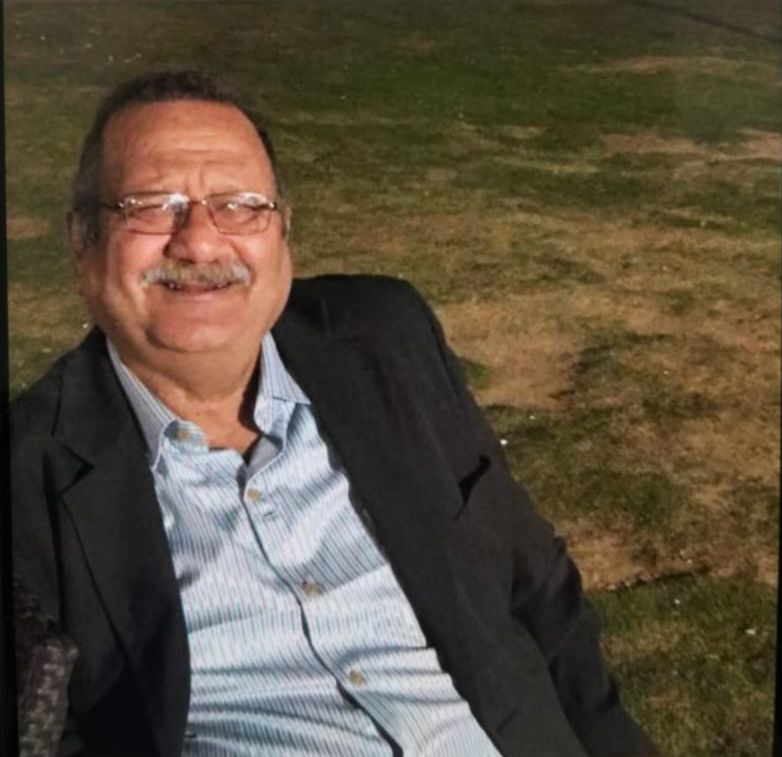
Ossama Mohamed Wassef Hassan Darweesh
Prof. Emeritus
Polio Reverse Cold Chain Study Presented At The xv International Scientific Meeting Of The International Epidemiological Association,Florence- Italy,31 August-4 September, 1999
• 1999
Publication Information
Authors
Mansour, E.; Wassif, O.M.; Tantawy M. Hanafy
Keywords
Not Available
Journal
Not Available
Publisher
Not Available
Volume
Not Available
Issue
Not Available
Pages
Not Available
publication.type
International
Paper Link
Not Available
Supplementary Materials
Not Available
Abstract
Reverse Cold Chain means the process of collection and transporting specimens from field to laboratory under optimum conditions. This study aims at detection of areas of defects in the polio reverse cold chain, which may affect the results of stool specimens of A.F.P. cases, analyzed for viral isolation. This data was compared with 1994 data, which were included in VACSERA annual report.
The performance indicators of polio reverse cold chain were calculated. It was found that timeliness of samples < 14 days was 73.7%, completeness of sampling of cases was 87.1%, transportation of specimens (< 7 days) was 79.2% efficient, transport of laboratory procedures was 56.5% adequate in terms of enterovirus isolation rate and laboratory was efficient in reporting within 30 days in 83.8% of specimens. Samples were sent in acceptable conditions in 97.5% of specimens. Suitable recommendations were submitted.
The performance indicators of polio reverse cold chain were calculated. It was found that timeliness of samples < 14 days was 73.7%, completeness of sampling of cases was 87.1%, transportation of specimens (< 7 days) was 79.2% efficient, transport of laboratory procedures was 56.5% adequate in terms of enterovirus isolation rate and laboratory was efficient in reporting within 30 days in 83.8% of specimens. Samples were sent in acceptable conditions in 97.5% of specimens. Suitable recommendations were submitted.