

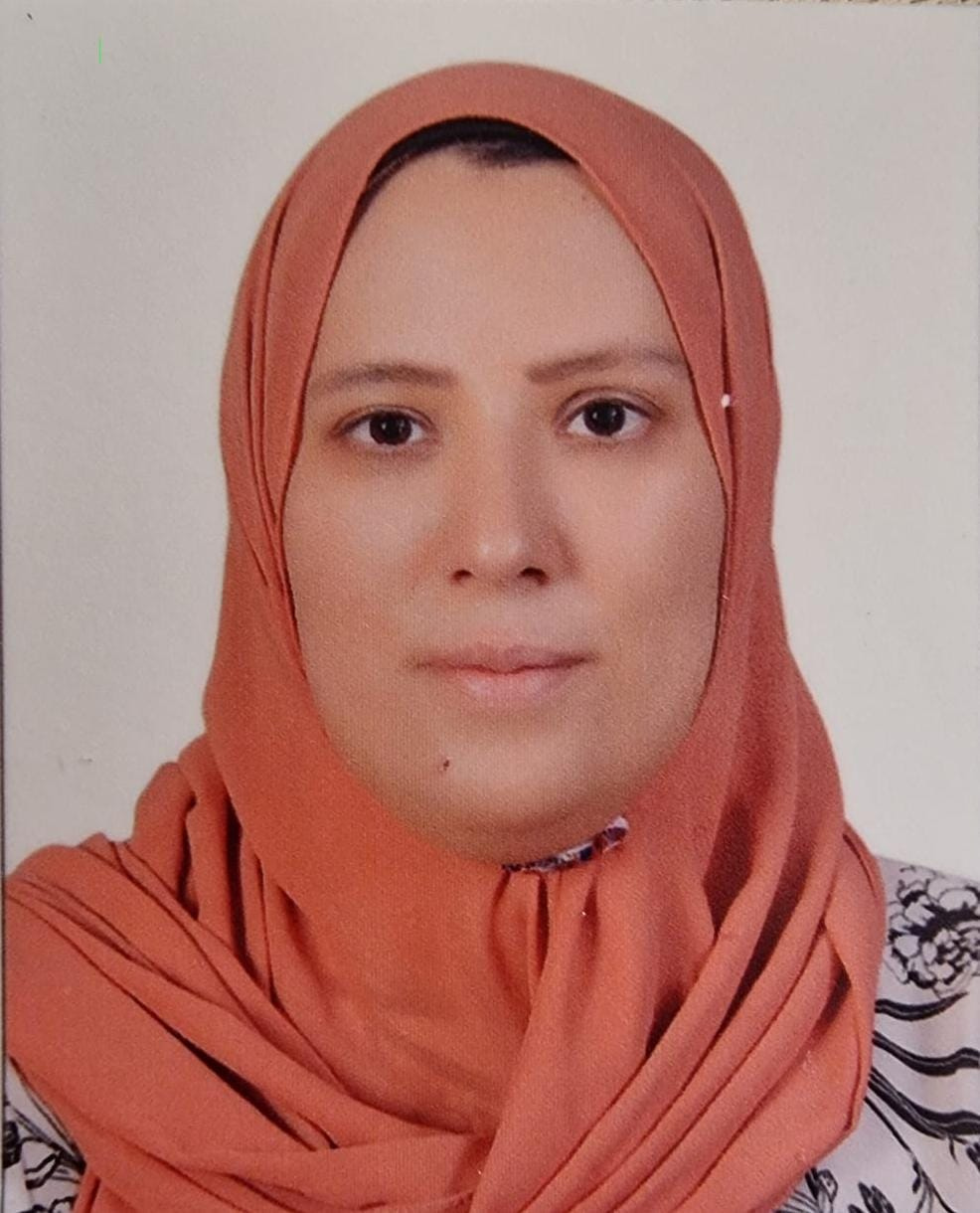
أميرة أسامة عبد الغفار عبد الجواد
أستاذ مساعد
Liver Involvement in Children with COVID-19 and Multisystem Inflammatory Syndrome
Egyptian Journal of Hospital Medicine, • 2024
معلومات البحث
المؤلفون
Manal Sadek El Defrawy 1, Asmaa Mohamed Ahmed Emara 1*,
Amira Osama Abd El-Ghafar 2, Heba Rasmy Abdelbaset
الكلمات المفتاحية
Liver involvement, COVID-19, Multisystem inflammatory syndrome, Laboratory outcomes
المجلة العلمية
Egyptian Journal of Hospital Medicine,
الناشر
Not Available
المجلد
Not Available
العدد
Not Available
الصفحات
Not Available
publication.type
Local
رابط البحث
Not Available
المواد المرفقة
Not Available
الملخص
Background: At the beginning of the pandemic, the SARS-CoV-2 was perceived as a lower respiratory tract infection, affecting the lung parenchyma predominantly and potentially leading to acute respiratory distress syndrome (ARDS)
Objective: This study aimed to demonstrate the laboratory outcomes of liver involvement and clinical manifestation in multisystem inflammatory syndrome (MIS) and Covid-19 in children.
Subjects and methods: This cross-sectional case-control study was conducted at the Pediatric Department of Al Mabarra-Tanta Hospital, Health Insurance Authority Hospital. This study included 40 children who divided into two groups: Group I included 20 children affected with COVID-19 who met the Centers for Disease Control and Prevention (CDC) definition of MIS-C condition associated with COVID-19. Group II included 20 of sex- and age-matched children with alternative diseases of MIS due to causes other than COVID-19 (autoimmune disease and other types of infection).
Results: Alkaline phosphatase levels were significantly higher in group I compared to group II (325.6 ± 98.6 vs 271.9 ± 45.2 U/L). Total bilirubin and direct bilirubin levels were significantly higher in group I compared to group II. Albumin was significantly lower in group I (p=0.01). According to CT result, the percentage of positive findings was significantly higher in group I (100%) compared to group II (30%) (p < 0.001). Among the specific CO-RAD categories, there were significant differences in the distribution between the groups.
Conclusions: The findings emphasized the importance of early recognition of MIS-C by investigation and clinical manifestation. These insights could guide improved diagnosis, management, and treatment strategies for children affected by COVID-19-associated liver complications.
Objective: This study aimed to demonstrate the laboratory outcomes of liver involvement and clinical manifestation in multisystem inflammatory syndrome (MIS) and Covid-19 in children.
Subjects and methods: This cross-sectional case-control study was conducted at the Pediatric Department of Al Mabarra-Tanta Hospital, Health Insurance Authority Hospital. This study included 40 children who divided into two groups: Group I included 20 children affected with COVID-19 who met the Centers for Disease Control and Prevention (CDC) definition of MIS-C condition associated with COVID-19. Group II included 20 of sex- and age-matched children with alternative diseases of MIS due to causes other than COVID-19 (autoimmune disease and other types of infection).
Results: Alkaline phosphatase levels were significantly higher in group I compared to group II (325.6 ± 98.6 vs 271.9 ± 45.2 U/L). Total bilirubin and direct bilirubin levels were significantly higher in group I compared to group II. Albumin was significantly lower in group I (p=0.01). According to CT result, the percentage of positive findings was significantly higher in group I (100%) compared to group II (30%) (p < 0.001). Among the specific CO-RAD categories, there were significant differences in the distribution between the groups.
Conclusions: The findings emphasized the importance of early recognition of MIS-C by investigation and clinical manifestation. These insights could guide improved diagnosis, management, and treatment strategies for children affected by COVID-19-associated liver complications.