

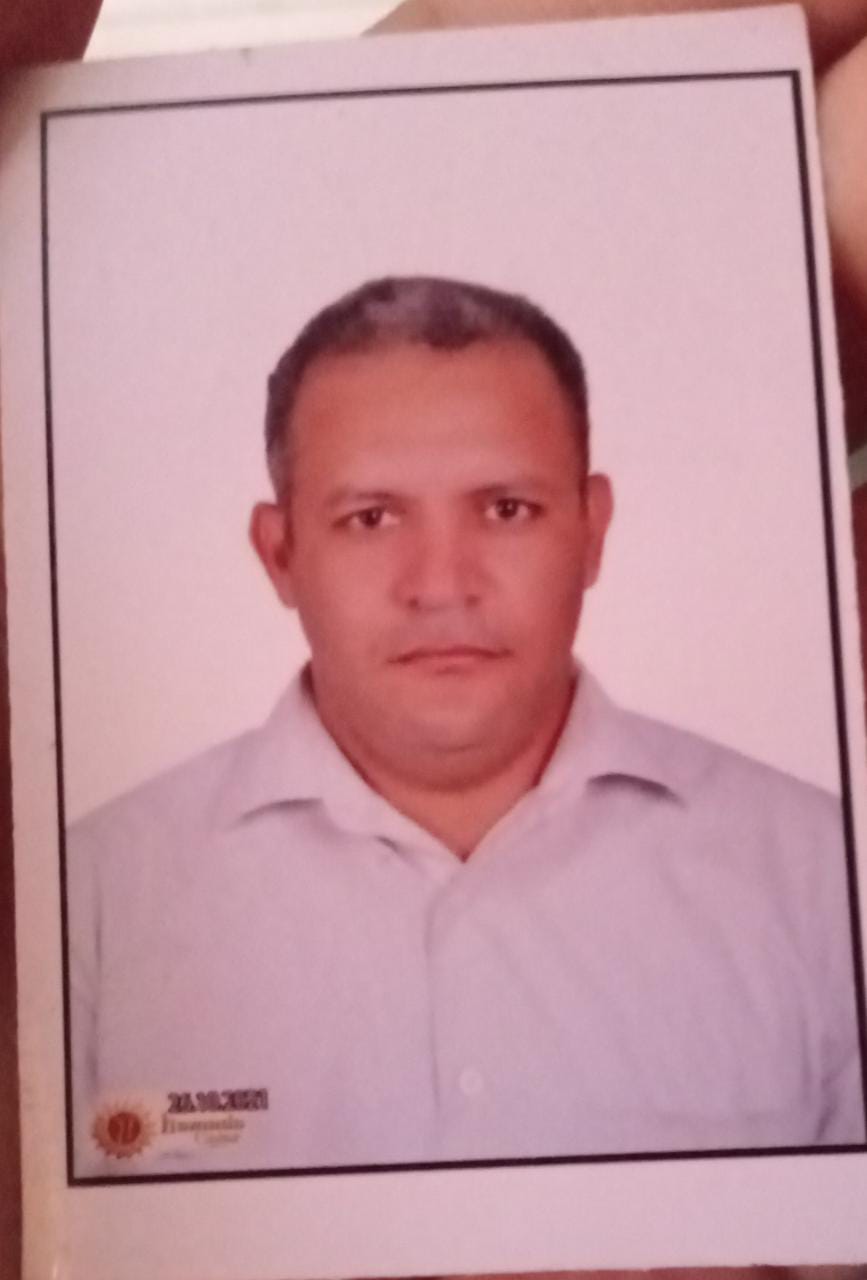
Abdel-Hakim Fouad Elwany
Asst. Professor
Epstein-Barr virus (EBV) reactivation in post COVID-19
• 2025
Publication Information
Authors
Eslam Farid Abu Shady a,* , Abdelhakim Fouad Ghallab Rasha Abd Elhamid Elsayed
Keywords
Not Available
Journal
Not Available
Publisher
Not Available
Volume
Not Available
Issue
Not Available
Pages
Not Available
publication.type
Local
Paper Link
Not Available
Supplementary Materials
Not Available
Abstract
Objective: To determine if there is a link between prolonged COVID symptoms and the reactivation of EBV. Methods: This study was an observational (case-control) analysis involving 140 patients who tested positive for COVID-19 and are experiencing persistent symptoms such as fatigue and post-exertional malaise. Additionally, a control group of 80 individuals, matched for age and gender, who have fully recovered from SARS-CoV-2 infection without these symptoms, was included. The research took place between December 2023 and March 2024 at Benha University Hospitals in Benha, Egypt. The reactivation of the Epstein–Barr virus (EBV) was identified by detecting EBV genetic material using TaqMan probes, along with at least one set of primers (BamHI and LMP2). Results: Initial hospitalization during acute COVID-19 infection is significantly associated with post-COVID fatigue (p-value 0.007*). No significant associations were found for risk factors like diabetes and hypertension. EBV replication observed was due to EBV reactivation rather than primary infection. EBV-specific antibody titers EBNA-1 IgG (p-value 0.004*) and EA-D IgG (p-value 0.008*). 40/140 (28.6 %) patients with COVID-19 with persistent fatigue showed EBV reactivation in contrast to 9/80 (11.3 %) of controls (P-value 0.003*) using the same detection methods. Conclusion: EBV reactivation plays a role in Long-COVID syndrome following COVID-19 infection supporting the usage of EBV inhibitors for long-term COVID-19 treatment.