

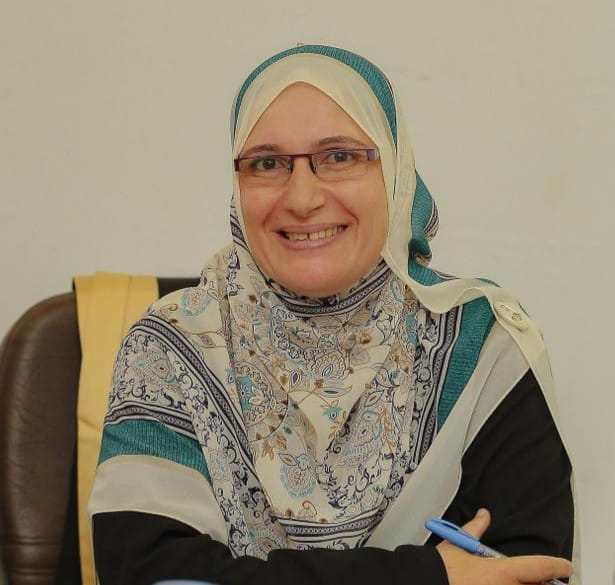
أحلام الأحمدي محمد
أستاذ
Cyberbullying among University Students during the E-learning Transformation Era: The Role of the Student-Teacher Relationship and Virtual Classroom Community
Research in Community and Public Health Nursing • 2023
معلومات البحث
المؤلفون
Samiha Sayed1,2, Lucy AbuElEla3
, Ahlam Sarhan4
, Doaa El Demerdash3,5
الكلمات المفتاحية
Cyberbullying, Cyber-Victimization, Online Learning, University Students
المجلة العلمية
Research in Community and Public Health Nursing
الناشر
Ahlam Elahmady Sarhan
المجلد
34
العدد
2
الصفحات
135-146
publication.type
Local
رابط البحث
Not Available
المواد المرفقة
Ahlam El Ahmady Mohamed_paper 7.pdf
الملخص
Purpose: The current study assesses cyberbullying among university students and explores the role of the student-teacher relationship
and virtual classroom community.
Methods: A descriptive exploratory study on four randomly selected colleges at Damanhour University/Egypt. Participants were recruited conveniently using an equal allocation of 150 students/college (600 students). The European Cyberbullying Intervention Project
Questionnaire (ECIPQ), Rovai's Classroom Community Scale (RCCS), and the Student Version of The Teacher-Student Relationship
Inventory (S-STRI) were used for data collection.
Results: Low cyber victimization was reported by 66.5% of the students, while 39.8% reported low cyberaggression behaviors. The
highest percent reported average virtual class connectedness (77.3%), learning experience (70.3%), and overall virtual classroom community (80.8%). Besides, highly satisfying teacher relationships (82.3%); average (38.8%) and low (35.8%) instrumental help; low conflict (68.0%); and average total teacher-student relationship (70.5%). Regression analysis revealed that the increased scores of the total
teacher-student relationship scale (p
and virtual classroom community.
Methods: A descriptive exploratory study on four randomly selected colleges at Damanhour University/Egypt. Participants were recruited conveniently using an equal allocation of 150 students/college (600 students). The European Cyberbullying Intervention Project
Questionnaire (ECIPQ), Rovai's Classroom Community Scale (RCCS), and the Student Version of The Teacher-Student Relationship
Inventory (S-STRI) were used for data collection.
Results: Low cyber victimization was reported by 66.5% of the students, while 39.8% reported low cyberaggression behaviors. The
highest percent reported average virtual class connectedness (77.3%), learning experience (70.3%), and overall virtual classroom community (80.8%). Besides, highly satisfying teacher relationships (82.3%); average (38.8%) and low (35.8%) instrumental help; low conflict (68.0%); and average total teacher-student relationship (70.5%). Regression analysis revealed that the increased scores of the total
teacher-student relationship scale (p