

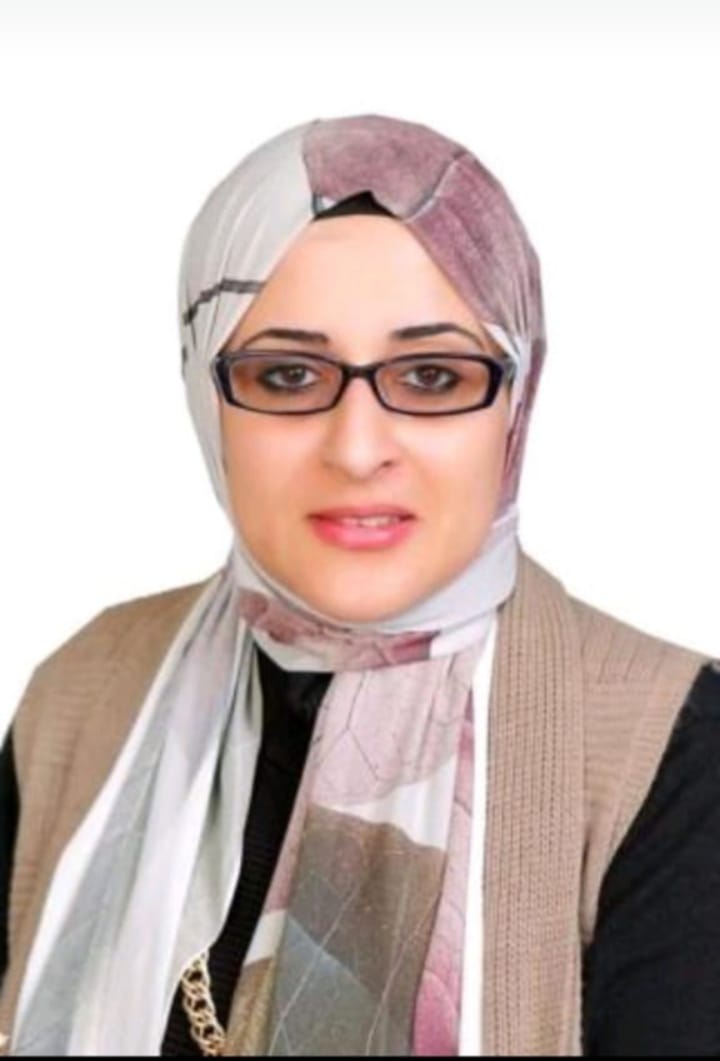
Rehab Mohammed Salem
Professor
Topical β-blockers for pyogenic granulomas: A promising option for younger patients
• 2021
Publication Information
Authors
Abd El-Aziz Ibrahim El-Taweel MD1 | Abdul-Aziz Abdul-Salam Ahmed Al-Refaie MD2 |
Khalid Hamdy Awad Salem MBBcH3 | Rehab Mohammed Salem MD1
Keywords
Not Available
Journal
Not Available
Publisher
Not Available
Volume
Not Available
Issue
Not Available
Pages
Not Available
publication.type
International
Paper Link
Not Available
Supplementary Materials
Not Available
Abstract
Background: Topical β-blockers, propranolol, and timolol were used for pyogenic
granuloma (PG) treatment; however, their efficacies and safety profiles were not
compared.
Aims: The aim was to evaluate the safety and efficacy of propranolol 1% and timolol
0.5% creams in the treatment of pyogenic granulomas.
Patients: The study included 30 PG patients. They were divided into three groups
(10 patients each). Group I patients received propranolol 1% cream. Group II patients
used timolol 0.5% l cream. Group III patients used placebo cream. Creams were applied
twice daily for 2 months. Patients were followed up for 3 months to detect any
recurrence.
Results: Complete resolution was reported in 6 patients of groups I and II, while none
of the control patients reported complete resolution. Despite the absent change in
lesions' size in 40% of β-blockers treated groups, they all reported decreased bleeding
tendency. There was insignificant difference between the clinical responses between
β-blockers groups. No recurrence was reported in any of the patients who
achieved complete resolution after 3 months of follow-up. Younger patients respond
better to β-blockers. Three patients were deteriorated on beta-blockers treatment.
Conclusion: β-blockers are a promising PG treatment option in cases where invasive
modalities are not desirable especially in younger patients